Why Is VFX Showing Up in Regular TV Shows Now?
Visual effects (VFX) have long been associated with blockbuster films and high-budget sci-fi or fantasy series on streaming platforms. However, recent years have seen a remarkable surge in VFX use within more traditional television shows — the kinds of dramas, comedies, and procedural series that populate regular TV schedules. What’s behind this shift? The answer lies at the intersection of technological innovation, digitization of production workflows, and evolving industry dynamics, especially right here in British Columbia’s thriving creative sector.
The Digitization of Film and TV Workflows: Setting the Stage for More VFX
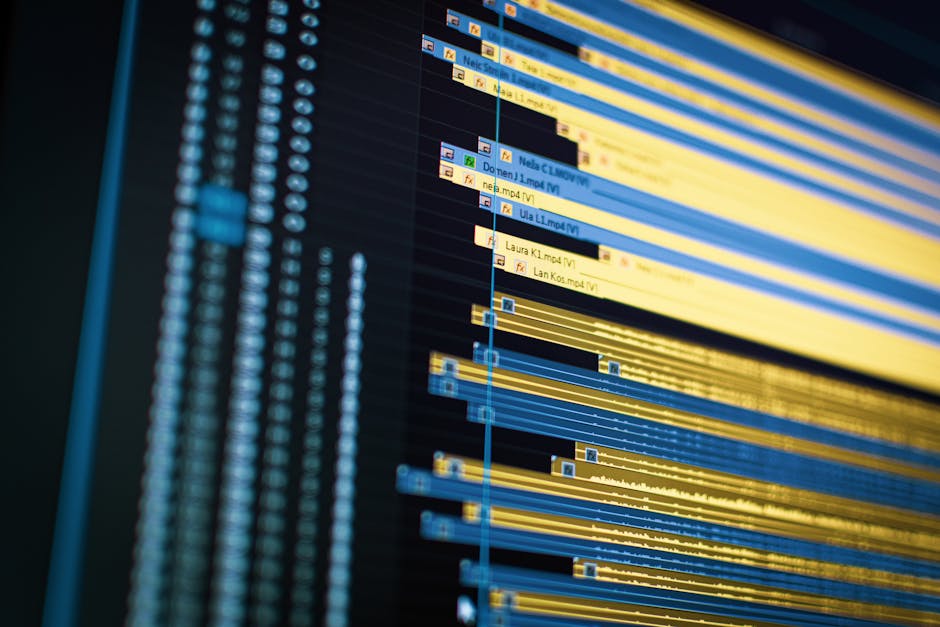
First, let’s break down what is meant by “digitization of film and TV workflows.” This refers to the increasing use of digital tools, software, and collaborative platforms throughout the production and post-production processes. Cameras now shoot in high-resolution digital formats; editors and VFX artists connect via cloud-based systems; and complex sequences can be rendered and refined in real-time.
Digitization has reduced the technical barriers and time costs previously hampering extensive VFX use in TV shows:
- Faster turnaround times: Traditional post-production used to require physical film reels and lengthy processing. Digital workflows allow footage to be instantly available for editing and effects work.
- Remote collaboration: VFX teams in Metro Vancouver can work seamlessly with editors and producers anywhere, streamlining the review process.
- Cost efficiencies: Software automation and cloud rendering reduce the need for large on-site hardware infrastructure.
- Integration across post-production disciplines: Color correction, sound design, and effects work are conducted in tandem, giving creators more control and flexibility.
For TV post-production, this means VFX is no longer a luxury reserved for scheduled, big-budget visual extravaganzas but a nimble tool used regularly to enhance storytelling, correct errors, or add environment elements.
Virtual Production and Real-Time Visualization: Revolutionizing TV Filmmaking
One of the most transformative technology trends empowering regular TV shows to feature more VFX is virtual production. This is a filmmaking method that integrates digital effects tools and real-world filming environments in near real-time. Virtual production employs LED video walls and game-engine software to create immersive backgrounds and interactive environments directly on set.
Alongside this, real-time visualization tools—software platforms that allow filmmakers and VFX teams to see changes and effects instantly—are becoming standard. This shift means directors and cinematographers can preview composite shots live, tweaking lighting, camera angles, or computer-generated elements as if they were shooting practical effects.
- Why does this matter for TV? Traditional television schedules are notoriously tight, with episodes often turning around in weeks rather than months. Virtual production compresses the time between filming and finishing effects-heavy shots.
- Creative freedom: Directors can improvise with digital sets that would be impossible or prohibitively expensive to build physically.
- Lower costs and higher quality: Virtual production reduces the need for location shoots, green screens, and extensive post-production corrections.
BC’s well-established VFX and animation studios are investing in virtual production facilities, positioning the region as a hub where streaming productions and traditional TV series alike can access cutting-edge technology quickly.
VFX and Animation as Competitive Advantages in the TV Landscape
Broadcasters, streaming platforms, and producers increasingly view visual effects and animation not just as technical necessities but as strategic assets. Here’s why:
- Elevating Visual Storytelling: Enhanced VFX lets showrunners create worlds and narratives with higher visual impact, which is critical in a crowded market where audiences have endless options.
- Meeting Audience Expectations: Viewers’ familiarity with cinematic-quality effects means that conventional TV shows need to upgrade production values or risk seeming outdated.
- Expanding Genres and Formats: Using VFX, more genres that traditionally rely on complex visuals—such as supernatural dramas or historical reconstructions—can launch in TV’s faster, more episodic model.
- Advertising and Branding: Not limited to shows, advanced VFX in advertising spots for TV networks enhances brand identity and viewer engagement.
For producers in BC, leveraging in-region VFX talent helps meet these demands with cost-effective solutions—especially in the post-production phase of TV Home page projects—making the local industry more competitive globally.
Interactive Digital Media: A Major Creative Industry in British Columbia
British Columbia is widely recognized as a powerhouse for film, animation, VFX, and increasingly, interactive digital media—which includes video games, VR experiences, and other digitally-driven entertainment forms. This creative ecosystem is interconnected, with cross-pollination of skills and technology accelerating innovation across sectors:
- Many VFX and animation artists also work in game development, bringing real-time rendering expertise crucial to virtual production workflows.
- Studios often share pipelines and tools, helping smaller TV post-production houses tap into advanced capabilities.
- The growing presence of interactive media firms encourages experimentation with audience engagement techniques that influence how TV shows design visual sequences.
Policy makers and industry organizations consistently identify interactive digital media—alongside VFX and animation—as core pillars for sustainable creative economy growth in BC, investing in streaming platforms impact Canada talent training and infrastructure accordingly.
Conclusion: The New Normal for Visual Effects in TV
In summary, the increased visibility of VFX in regular TV shows results from a convergence of technological advances and industry evolution:
- The digitization of production workflows allows faster, more affordable VFX integration.
- Virtual production and real-time visualization tools empower creative teams to preview and finalize effects during filming, reducing post-production bottlenecks.
- VFX and animation are proving essential to compete for viewers in an increasingly crowded streaming and broadcast landscape.
- The vibrant, cross-disciplinary creative industry in British Columbia supports the rapid growth and adoption of these tools for TV post-production and advertising VFX.
For anyone keeping an eye on the BC film and TV sector, this trend isn’t just about glitzy spectacles—it represents a fundamental shift in how stories are told on screen and how the province’s creative workforce is carving out a global niche for itself.

Further Reading and Resources
- Creative BC – Supporting BC’s VFX, animation, and interactive digital media industries
- Vancouver Film Studios – A hub for TV and film productions leveraging digital workflows
- Visual Effects Society – Industry insights on trends such as virtual production
- BC Interactive – An alliance promoting digital media innovation in the province