Why Do Studios Schedule Big Sessions Late at Night?
If you’ve ever wondered why so many studios book their biggest https://allaxess.com/the-night-owl-studio-schedule-and-what-it-costs-you/ sessions after midnight, you’re not alone. Whether it’s a high-stakes tracking day or an all-night mix, the allure of the late-night vibe is undeniable. From the silence when phones stop ringing to the captivating flow of creativity in the wee hours, there are several reasons engineers, producers, and artists swear by these after midnight sessions. But alongside the magic of late-night creativity, there are some risks—ear fatigue, loudness creep, and the notorious sleep deprivation that can turn a killer session into a nightmare.
Want to know something interesting? in this post, i’ll unpack the phenomena that underpin late-night studio work, and yes, even mention a few tools and products—like joy organics and their joy organics cbd sleep gummies—that can help you survive the marathon sessions without ruining your next day.
The Allure of Late-Night Creativity and the Synchrony Effect
There’s something almost mystical about working after midnight. It’s not just cliché; it’s a scientifically supported phenomenon that many creatives and engineers experience:
- Phones stop ringing: The world around you slows down. No meetings, no emails, no distractions drowned in endless notifications. In this quiet solitude, full concentration flows naturally.
- Less self-consciousness: When the rest of the world is asleep, artists often report feeling less self-critical and more willing to experiment. The late hours promote a sort of vulnerability that is perfect for creativity.
- Synchrony effect: People working together late at night tend to sync up better. The shared fatigue and state of mind can create tighter collaboration, almost like an unspoken rhythm or flow state.
In my own years as an engineer, I’ve tracked vocals, guitars, and synths during these late slots, noting the remarkable energy and willingness from the artists to fine-tune performances. The pressure is almost non-existent, and creativity blossoms. The dimmed lights and calm atmosphere help facilitate this groove.
Studio Monitors and the Nighttime Listening Experience
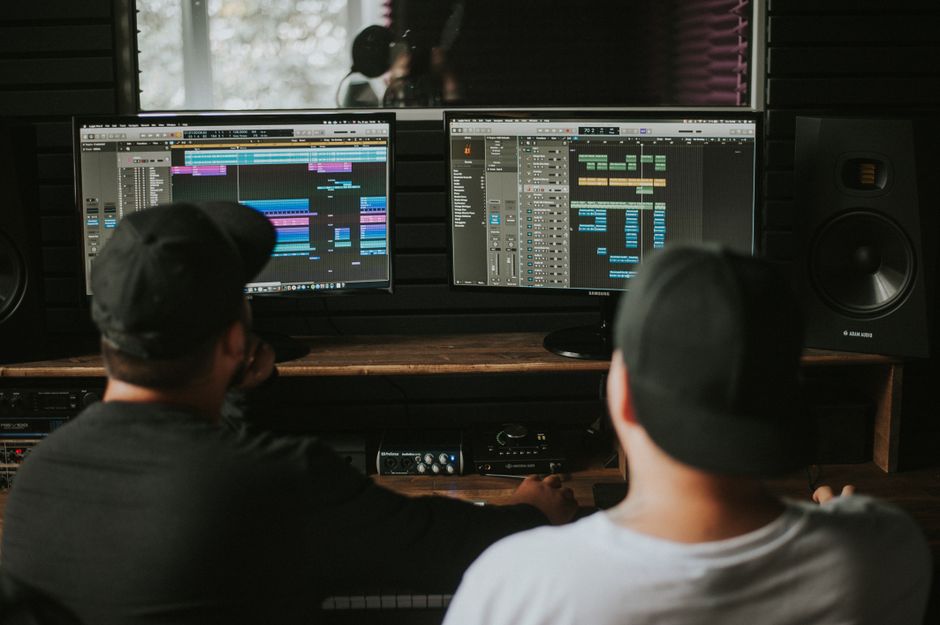
One tool that comes into sharper focus during late-night sessions is the studio monitor. Without the daytime bustle, the room’s acoustics reveal themselves more honestly. You hear nuances in reverb tails, subtle articulation, and dynamic shifts that might get lost during the chaos of rush-hour. The pairing of a quiet room with great monitors can boost precision and creativity simultaneously.
The Downside: Ear Fatigue and Temporary Threshold Shift
But it isn’t all glowing reviews. Late-night work has its dangers, chief among them being ear fatigue and a phenomenon called temporary threshold shift (TTS).
- Ear fatigue: After hours of listening—even at moderate volume—your ears start to "tune out." High and low frequencies become less distinct, causing you to push levels higher or make questionable tonal decisions.
- Temporary Threshold Shift: Essentially, your hearing sensitivity dips temporarily after exposure to loud sound. At 2 or 3 a.m., you might think a vocal track or a snare is perfectly balanced only to hear it totally different after a morning break.
This explains my mental checklist I call the ‘2 am decisions to redo after sleep’. Every engineer and artist should be aware that mixing or even tracking at these late hours requires periods of ear rest.
Loudness Creep and Monitoring Habits in Late Sessions
Another annoying late-night trap is loudness creep. As fatigue sets in, there’s a natural tendency to dial up levels to compensate for dulled hearing. This can induce bad habits and ultimately cause poor performance in both mixing and tracking.
Good monitoring habits are critical. Lower volumes with regular breaks, and dimming the studio lights once tracking is complete—or even during breaks—can protect your ears and brain. This helps reset the auditory system and avoid the temptation to push levels through tiredness.
Sleep Deprivation and Bad Studio Decisions
It’s easy to romanticize late-night sessions, but sleep deprivation is a real risk associated with moving big sessions past midnight. It impacts your decision making, your creativity, and your health:
- Reduced cognitive function: Sleep loss undermines your ability to evaluate mixes critically and track performances accurately.
- Increased frustration: Fatigue can spark tension between engineers, producers, and artists, sabotaging collaboration.
- Physical health hazards: Chronic late nights lead to poor immune function and higher stress.
One of the best ways I’ve found to mitigate these effects is to integrate natural supplements that promote rest. Here’s where products like Joy Organics CBD Sleep Gummies come in handy. They help support restorative sleep without the groggy aftereffects of pharmaceutical options, ensuring you bounce back the next morning ready to tackle edits or revisions the right way—wide awake and refreshed.
Practical Tips for Surviving After Midnight Sessions
Combining experience with some modern aids, here are a few tips for making late-night studio work productive and safe:
- Schedule smart: Plan complex tracking early and save lighter edits or creative brainstorming for late hours.
- Monitor volume: Keep levels moderate. When in doubt, sit farther from your studio monitors.
- Take breaks: Step outside, dim the lights, or simply close your eyes to reduce sensory overload.
- Drink water & caffeine wisely: Always check when you last had caffeine; it’s tempting to chase energy with more coffee, but too much can worsen fatigue.
- Use natural sleep aids: Consider supplements like Joy Organics CBD Sleep Gummies to recover faster after the session.
- Rest before big decisions: Avoid final mix decisions late at night. Give your ears and brain at least 6 hours of rest first.
Summary Table: Pros and Cons of After Midnight Sessions
Pros Cons- Quiet, distraction-free environment
- Enhanced creative flow and synchrony effect
- Less self-conscious performances
- Better accuracy when listening on studio monitors
- Ear fatigue and Temporary Threshold Shift
- Loudness creep due to tired ears
- Sleep deprivation and cognitive decline
- Higher risk of poor decisions and frustration
Final Thoughts
Late-night big sessions will always have a special place in studio culture—there’s a chemistry that’s hard to replicate during the buzzing daytime hours. The key is to respect your body and ears while leveraging the silence and creative freedom the night provides. With proper monitoring habits, smart scheduling, and natural support like Joy Organics, it’s possible to preserve both your creativity and your well-being through those late hours.. So yeah,
So next time your studio books a 10 pm-to-4 am tracking block, don’t just brace for fatigue—embrace the unique energy, but remember to drink water, turn down your monitors, dim those lights when tracking ends, and get some good sleep. Your mixes (and your ears) will thank you in the morning.